Torn between Concord and Martinez? You are not alone. Both Contra Costa cities offer strong value in the Oakland–Hayward–Berkeley metro, but the day-to-day experience can feel very different. If you want a clear, side-by-side look at housing, commutes, lifestyle, schools, and costs, you are in the right place. By the end, you will have a simple plan to decide which city fits your goals and a checklist to use on your first tours. Let’s dive in.
Concord vs. Martinez at a glance
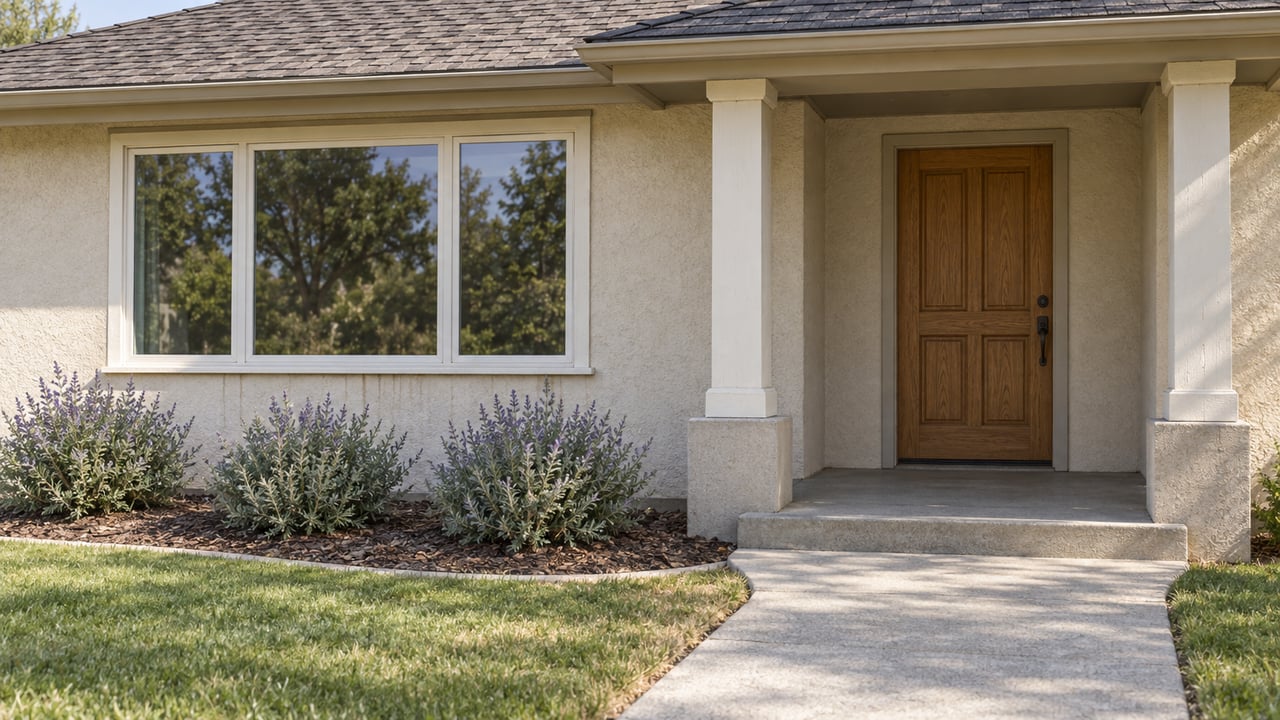
- Concord: Larger suburban city with broad neighborhood options, BART access, and a mix of mid-century homes, townhomes, and newer subdivisions. Downtown features mixed-use nodes and regional retail.
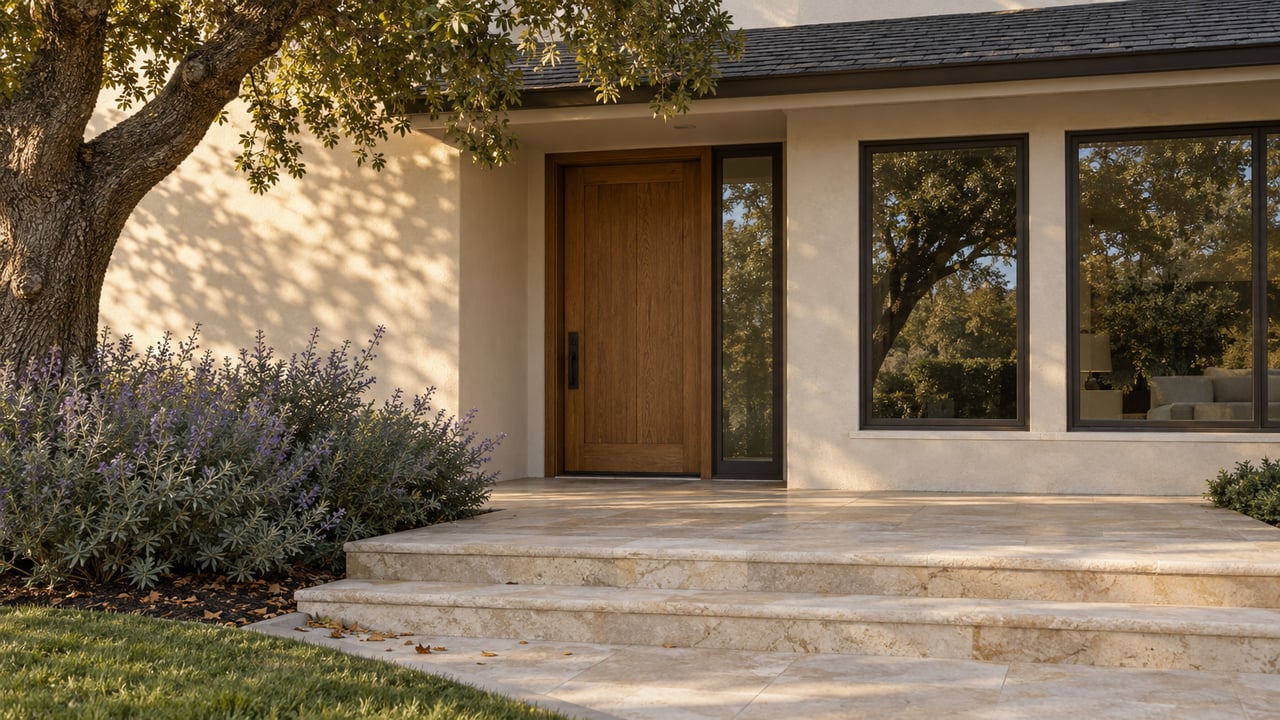
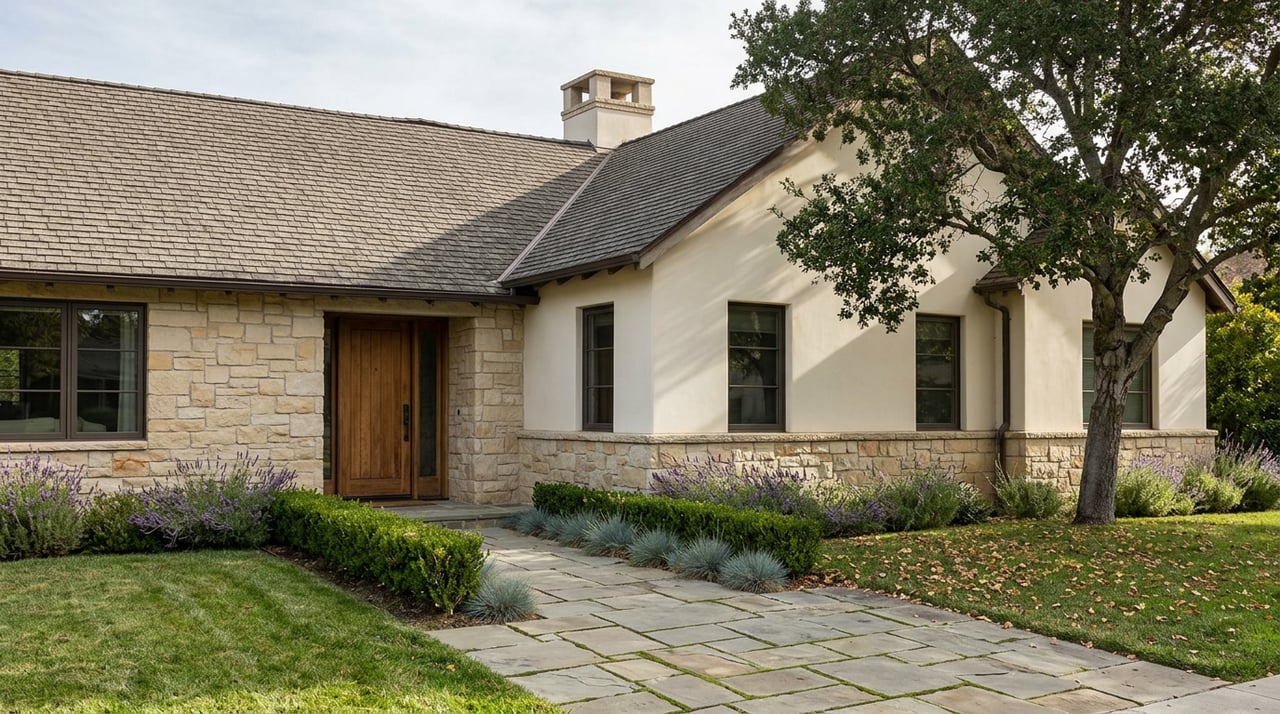
- Martinez: Smaller city with a historic downtown, riverfront parks, and a notable share of older homes. Inventory is often tighter in prime pockets, and the vibe can feel more small-town near the waterfront.
Housing and neighborhoods
Age and condition
- Concord typically offers more post-war and later 20th-century homes, plus newer development on the edges. You will find more move-in-ready options in many neighborhoods.
- Martinez has proportionally more older and historic properties, especially near downtown. Expect to evaluate system upgrades like electrical, plumbing, foundation, and seismic retrofits when considering these homes.
Home types and HOAs
- Concord’s unit mix includes many single-family homes and a meaningful number of condos and townhomes near transit corridors. HOA presence is common in multifamily communities.
- Martinez offers many single-family homes on established lots, select riverfront options, and newer infill townhomes. Condos and townhomes exist, but large, newer subdivisions are less common than in Concord.
Inventory and competition
- Concord often supplies more entry-level single-family inventory across several neighborhoods, which can create more choices at different price tiers.
- Martinez’s most desirable areas can feel tight on inventory, which may increase competition for well-located or historic homes.
Lots and yards
- Concord’s suburban neighborhoods often include standard lot sizes and family-friendly yards.
- Martinez’s older parcels, especially near downtown, can be smaller or irregular, though you will also find established lots in many parts of town.
Commute and transportation
Public transit
- Concord has a clear advantage for BART access, with Concord and North Concord/Martinez stations linking directly to Oakland and San Francisco and connecting to the broader Bay Area.
- Martinez does not have BART in town. It offers Amtrak/Capitol Corridor service with regional connections and local bus options, but frequency, transfers, and last-mile needs differ from BART.
Driving patterns
- Concord connects directly to I-680 and CA-242, offering flexible routes for many East Bay commutes.
- Martinez sits on the Carquinez Strait corridor, convenient for drives across the Carquinez Bridge and toward I-80 or Solano County. Bridge and highway corridors can bottleneck during peak hours, so test your route at your actual commute time.
Which city fits your commute
- Transit to Oakland/Berkeley/SF: Concord generally fits best due to direct BART access.
- Driving north or across the Carquinez Bridge: Martinez can be advantageous, depending on your workplace; confirm peak-hour patterns.
- Hybrid commuters: Compare BART headways from Concord with Amtrak/Capitol Corridor frequency from Martinez and plan for first/last-mile connections.
Parks and lifestyle
- Martinez highlights: Martinez Regional Shoreline and riverfront trails, a historic downtown with independent shops and dining, and the John Muir National Historic Site nearby.
- Concord highlights: Access to regional open space and trail systems near Mt. Diablo, plentiful suburban parks and recreation, and a lively downtown hub at Todos Santos Plaza with community events and farmers’ markets.
Your choice comes down to daily rhythm. If you want a walkable historic core with waterfront access, Martinez may appeal. If you want a broader suburban mix with BART and larger retail nodes, Concord may fit.
Schools and services
- School districts: Concord is primarily served by Mt. Diablo Unified School District. Martinez is served by Martinez Unified School District.
- What to check: Confirm current school boundaries for each address and review the most recent district data. Policies, enrollment, and boundaries can vary by neighborhood and change over time.
Use neutral criteria as you compare options, like commute needs, program availability, and proximity to parks and activities. Always verify details directly with the district.
Budget and ownership costs
- Property taxes: California’s Prop 13 structure generally sets a base rate around 1% of assessed value plus local assessments. Because both cities are in Contra Costa County, the structure is similar, though neighborhood-level bonds and parcel assessments can differ.
- HOA dues: Condos and townhomes exist in both cities. Review reserves, recent special assessments, and rules that may affect your monthly budget.
- Insurance and risk: Low-lying and river-adjacent areas in Martinez may have flood exposure. Across the Bay Area, earthquake risk is a key consideration. Factor in potential seismic retrofits, especially on older homes.
- Maintenance: Many Martinez homes are older and may need upgrades. In Concord, newer inventory can reduce immediate maintenance, though larger yards can raise landscape upkeep.
Resale and long-term outlook
- Concord’s breadth of neighborhoods, BART access, and diverse housing types attract a wide buyer pool that values transit, suburban amenities, and choice.
- Martinez draws buyers who prioritize historic character, a smaller downtown, and waterfront access. Limited inventory in prime areas can support demand for well-presented homes.
Market conditions shift, and neighborhood differences matter. Focus on the specific property’s location, condition, and access to the amenities you use most.
Which city fits you best
- Choose Concord if you value: BART access, more choices across price tiers, suburban yard space, and proximity to mixed-use retail and parks.
- Choose Martinez if you value: Historic character, a smaller waterfront downtown, and a quieter small-city feel in established neighborhoods.
- Consider both if you want: Low-maintenance townhomes or condos, access to regional parks and trails, and strong East Bay connectivity.
First-tour checklist
Bring this to your showings to compare homes side by side:
- Commute test: Drive your route at your actual commute time. If using transit, time the walk to the station or stop and check schedule frequency.
- Neighborhood feel: Note noise, street lighting, sidewalks, and proximity to parks, trails, and stores.
- Structure and systems: Look at roof condition, gutters, visible foundation cracks, water stains, and the age of HVAC and water heater. Check electrical panels and visible wiring type.
- Yard and drainage: Confirm slope away from the house, signs of standing water, and condition of fences and retaining walls.
- Safety and parking: Review door and window locks, street parking rules, driveway access, and garage condition.
- Internet and utilities: Ask which providers serve the address and about garbage/recycling pickup.
- Schools and boundaries: Confirm the assigned schools for the specific address and ask about enrollment policies.
- HOA documents (if applicable): Review CC&Rs, meeting minutes, reserve study, and any recent special assessments.
- Seller disclosures: Look for notes on water intrusion, pest treatment, permits for past work, and any municipal notices.
How to make the call
Start with your commute and daily routine. Then weigh housing type and condition, neighborhood feel, and budget. Finally, walk the downtowns, visit the parks, and compare how each city supports your week-to-week life. A few targeted tours will usually make the answer clear.
If you want local perspective on neighborhoods, inventory, and upcoming listings across Concord, Martinez, and nearby communities, reach out to Kelly McDougall for a friendly, no-pressure consult. We will talk through your goals, map your commute, and build a short list to tour.
FAQs
What are the main differences between Concord and Martinez housing?
- Concord offers more mid-century and newer homes with broader inventory; Martinez has a higher share of older and historic homes, often with unique character and upgrade needs.
How does BART vs. Amtrak impact a Concord or Martinez commute?
- Concord’s BART access provides direct service to Oakland and San Francisco. Martinez relies on Amtrak/Capitol Corridor and local buses, which require different schedules and transfers.
Are property taxes very different in Concord vs. Martinez?
- Both follow California’s Prop 13 structure, with a base rate around 1% plus local assessments. Exact totals vary by neighborhood and property.
Which city is better for parks and outdoor access?
- Martinez offers waterfront parks and trails along the Carquinez Strait and access to the John Muir site. Concord provides suburban parks and regional open space near Mt. Diablo.
What should I check on older homes in Martinez?
- Ask about electrical, plumbing, roof condition, foundation, and seismic retrofits. Review permits, disclosures, and inspection reports closely.
How can I compare school options in Concord and Martinez?
- Confirm the assigned schools for each address and review the latest district data. Policies and boundaries can change, so verify directly with the district.