If you are torn between a walkable downtown routine and a home with more land and privacy, Martinez gives you a real choice. The city’s planning framework points to two distinct lifestyles: compact, historic living near downtown and lower-density living in the hills and Alhambra Valley area. If you are trying to decide which one fits your day-to-day life best, this guide will help you compare the tradeoffs and choose with more confidence. Let’s dive in.
Downtown Martinez lifestyle
Downtown Martinez is built around convenience, history, and a more connected daily routine. The city’s Downtown Specific Plan covers about 220 acres and includes the commercial and civic core along with nearby neighborhoods. Its goals focus on preserving small-town character, supporting shops and dining, and encouraging compact, pedestrian-oriented development.
That planning vision shapes what living downtown often feels like. You are more likely to find a setting where errands, dining, and community amenities are closer together. If you value being able to get around with less driving, downtown stands out right away.
Home styles downtown
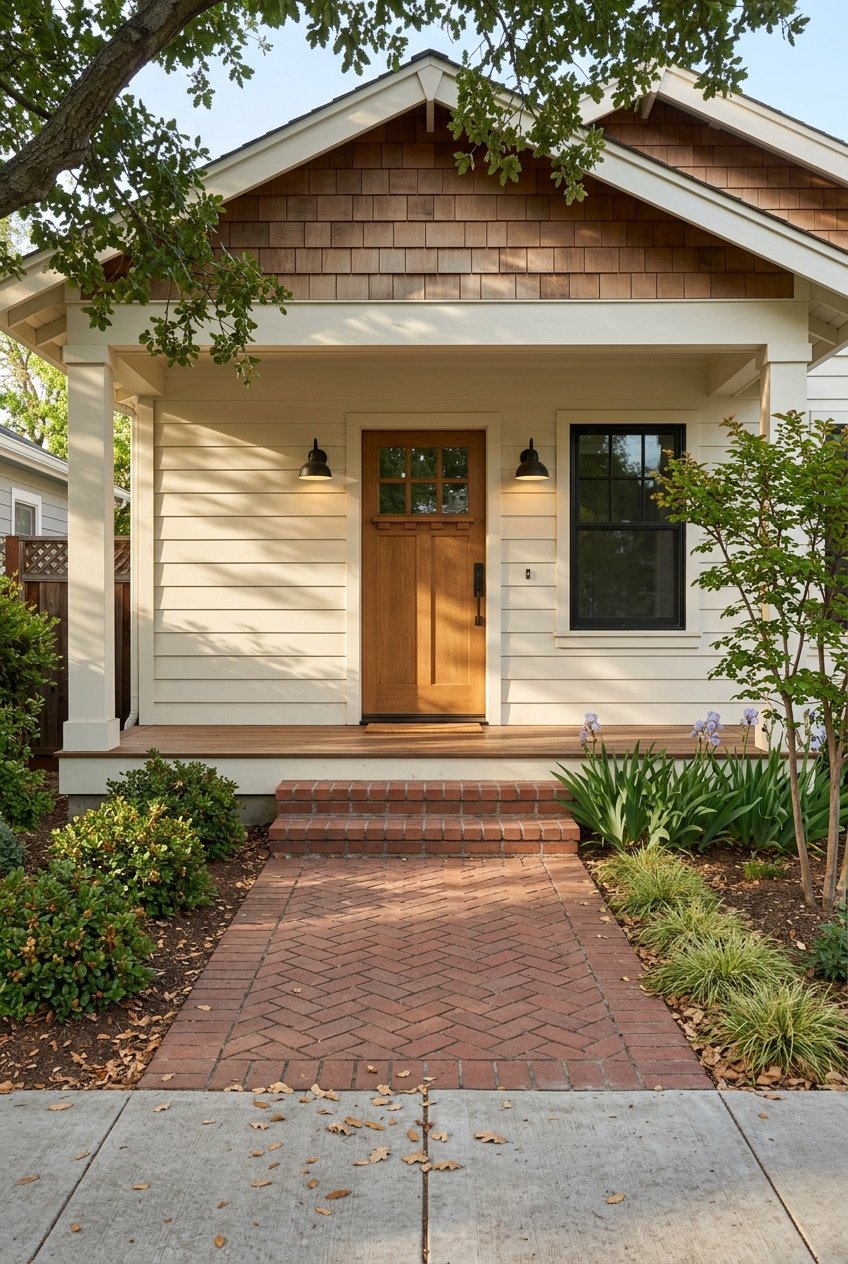
The older central neighborhoods south and southeast of downtown are primarily residential, and the city describes a mix of single-family homes, bungalow courts, duplexes, fourplexes, and small apartment complexes. Many of these homes are more than 50 years old, and some may need rehabilitation. For you, that can mean more architectural character, smaller lots, and a classic historic-street feel.
If you like homes with personality and do not mind some upkeep considerations, this part of Martinez may feel especially appealing. It offers a different experience than newer or more spread-out areas. The tradeoff is often lot size and space between homes.
Walkability and daily convenience
One of downtown Martinez’s clearest strengths is walkability. Walk Score rates a downtown Martinez location at 91 out of 100, and notes that location is about a seven-minute walk from the Martinez station. That does not mean every block feels the same, but it does support the broader picture of a more walkable core.
Parking is also managed with daily use in mind. The city uses a three-zone parking system with 2-hour, 4-hour, and 10-hour metered areas, along with permit options for residents and merchants. If you plan to spend time downtown regularly, that structure is part of the everyday rhythm.
Transit and regional access
Transit access is another major advantage of living near downtown. The Martinez station serves Capitol Corridor, Amtrak San Joaquins, Coast Starlight, and California Zephyr. The city also notes that the station is conveniently near downtown and connects with bus service that can help riders reach BART destinations.
For drivers, regional access comes mainly from State Route 4 and Interstate 680. Alhambra Avenue and Center Avenue connect to Highway 4, while Pacheco Boulevard and Marina Vista Avenue connect to I-680. North Concord/Martinez BART is about 6 miles east of downtown, which can matter if your routine includes train commuting.
Hills and Alhambra Valley lifestyle
If downtown Martinez is about proximity and convenience, the hills are about space and separation. The city’s General Plan identifies the Alhambra Valley Estate Residential-Low designation as single-family housing on lots that are typically one-half acre or larger. The western hills are also identified as agricultural lands, reinforcing a more open and less urban pattern.
In practical terms, this usually means a quieter setting, more room around your home, and a stronger sense of privacy. If your priority is a larger homesite or a property that feels removed from the busier parts of town, the hills may line up better with your goals. The lifestyle is less compact, but often more expansive.
Larger lots and more privacy
The planning language gives a useful clue about what you can expect in the hills. This area is not intended to function like downtown, with compact infill and smaller site areas. Instead, it is oriented toward lower-density residential living with more land attached to each home.
For buyers comparing options, that difference matters. You may find that the hills offer the kind of breathing room that is hard to match closer to downtown. That can be especially important if you want space for outdoor living, a more tucked-away setting, or a lifestyle property feel.
Open space and outdoor access
The hills also benefit from nearby open space. The city opened Alhambra Hills Open Space in 2025 and describes it as preserving the city’s highest ridgeline while offering trails and views. If you enjoy living near hiking and scenic natural surroundings, that is a meaningful part of the appeal.
This outdoor access helps define the hill-neighborhood experience. Instead of stepping out to shops and transit, you are stepping into a setting shaped more by land, views, and recreation. For many buyers, that is the whole point.
Car-dependent routine
The tradeoff is clear: daily life in the hills is usually more car-dependent. Walk Score rates Alhambra Valley Road at 0 out of 100 and labels it car-dependent, noting that almost all errands require a car. That aligns with the city’s lower-density planning approach for these areas.
If you choose the hills, you are likely choosing more driving in exchange for more space. Groceries, transit, and many appointments may take more planning. For some buyers, that feels like a fair exchange for privacy and land.
Comparing downtown and the hills
The easiest way to think about this decision is to focus on how you want your week to feel. Are you looking for a routine with easier access to downtown amenities and transit, or do you want a quieter home base with more room to spread out? Martinez supports both, but each comes with a different rhythm.
Here is a simple side-by-side comparison based on the city’s planning documents and local data.
| Lifestyle factor | Downtown Martinez | Hills and Alhambra Valley |
|---|---|---|
| Development pattern | Compact, mixed-use, pedestrian-oriented | Lower-density, larger-lot residential |
| Typical home setting | Older homes, smaller or tighter lots, historic feel | Larger lots, more separation, more open surroundings |
| Walkability | Higher walkability, Walk Score example of 91 | Car-dependent, Walk Score example of 0 |
| Transit access | Near Martinez station and bus connections | Typically requires driving to transit |
| Outdoor feel | Urban historic core with nearby neighborhoods | Open space, trails, ridgelines, views |
| Daily routine | More errands and outings can be closer by | Most errands and activities require a car |
How schools can affect the choice
If school logistics are part of your move, it helps to stay focused on actual address-based assignment rather than assumptions about an area name. Martinez Unified School District has 3,817 students in its 2025-26 district profile. The district directs families to use its School Finder during registration, which is an important reminder that attendance depends on the specific property address.
The location of campuses also shows how routines may differ by area. John Muir Elementary is on Vista Way, Martinez Junior High is on Court Street, and Alhambra Senior High is on E Street near the city’s core. John Swett Elementary is on Alhambra Valley Road, and Las Juntas Elementary is on Pacheco Boulevard, which shows why drive patterns can vary depending on where you live.
Which Martinez lifestyle fits you?
Downtown Martinez may be the better fit if you want historic character, a more walkable routine, and easier access to transit and the city core. It can also make sense if you are comfortable with smaller lots, attached housing options, or an older home that may need updates. The biggest draw is convenience paired with a distinct local feel.
The hills may fit better if you want more land, more privacy, and a home that feels removed from the more active downtown setting. This option can be especially appealing if open space, trails, and larger-lot living are high on your list. The tradeoff is that your routine will likely involve more driving.
For many buyers, this decision is not really about which area is better. It is about which setting matches your priorities, your schedule, and the way you want home to feel at the end of the day.
If you are weighing downtown Martinez against the hills, working with someone who understands the neighborhood differences can make the search much clearer. Kelly McDougall offers local, relationship-first guidance to help you compare locations, evaluate property fit, and move forward with confidence.
FAQs
What is the difference between downtown Martinez and the hills?
- Downtown Martinez is planned as a compact, pedestrian-oriented area with a historic core, while the hills and Alhambra Valley area are planned for lower-density, larger-lot residential living.
Is downtown Martinez more walkable than the hills?
- Yes. A downtown Martinez Walk Score example is 91, while an Alhambra Valley Road example is 0, showing a major difference in walkability and day-to-day car use.
Are homes in downtown Martinez older?
- Often, yes. The city says many homes in the central neighborhoods south and southeast of downtown are more than 50 years old, and some may need rehabilitation.
Do hill neighborhoods in Martinez usually have larger lots?
- Yes. The city’s General Plan describes Alhambra Valley Estate Residential-Low areas as single-family homes on lots typically one-half acre or larger.
Is Martinez station close to downtown Martinez?
- Yes. The city describes the station as conveniently near downtown, and a downtown Walk Score page notes a location that is about a seven-minute walk from the station.
How do I check school assignment in Martinez?
- Martinez Unified directs families to use its School Finder during registration, since school assignment is address-specific.