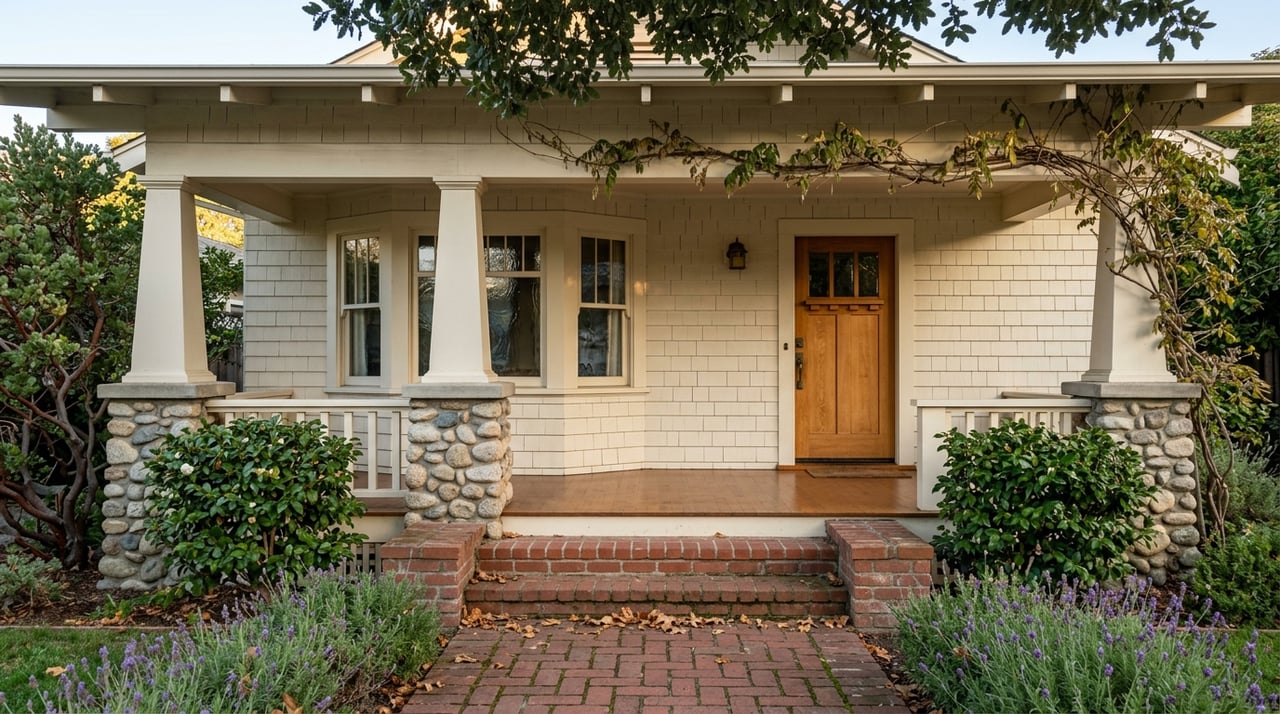
If you are drawn to homes with character, Martinez has a way of getting your attention fast. From its older downtown streets to its waterfront setting, this Contra Costa city offers a kind of charm that feels lived-in, not manufactured. If you are exploring where history and day-to-day livability meet, Martinez gives you plenty to look at and even more to appreciate. Let’s dive in.
Why Martinez Feels So Historic
Martinez traces its historic identity back to its 1849 beginnings as a trading post and its 1876 incorporation. That long timeline still shows up in the way the city looks and feels today, especially in and around downtown.
The City of Martinez has formally recognized that identity through its Downtown Specific Plan. The plan is meant to preserve and enhance downtown’s historic small-town character while also supporting it as a place to shop, dine, live, and visit. That balance helps explain why Martinez feels active and authentic rather than frozen in time.
Downtown and the nearby neighborhoods also have a layered look that many buyers notice right away. The city describes the approach along Alhambra Avenue as a transition from postwar areas into prewar Edwardian and Victorian homes before you reach the historic core. In real life, that means the area unfolds gradually, with older architecture helping set the tone.
Martinez also has a strong preservation culture. A city downtown report identifies 91 known cultural resources within or next to the study area, which reinforces just how much historic material still exists here. Landmarks and local history destinations around downtown further strengthen that sense of place.
Historic Home Styles in Martinez
One reason Martinez stands out is the variety of architectural styles you can still see in its historic downtown neighborhoods. According to the city’s Downtown Specific Plan, prevalent styles include Italianate, Stick/Eastlake, Queen Anne Revival, American Foursquare, Craftsman Bungalow, California Bungalow, and Mission Revival.
For buyers, that range matters. It means Martinez does not feel visually repetitive, and homes often have details that are hard to find in newer neighborhoods. Even when two homes are from a similar era, their exterior features can create very different curb appeal.
Italianate Details to Notice
Italianate homes often feature low-pitched roofs, wide bracketed eaves, tall narrow windows, bay windows, and sometimes cupolas. These details can give a home a stately look without feeling formal.
If you enjoy architecture with vertical lines and ornate trim, this style is worth watching for. In a historic setting like Martinez, those design elements help tell the story of the home’s age and character.
Queen Anne and Eastlake Character
Stick/Eastlake and Queen Anne homes tend to be some of the most expressive properties visually. The city notes details such as wood ornamentation, steep roofs, bays, porches, towers, turrets, and patterned shingles.
These are often the homes that make people slow down on a walk or a drive. If you picture a classic old-town streetscape with personality, this style is a big part of that image.
Craftsman and Bungalow Appeal
Craftsman and California Bungalow homes bring a different kind of charm. Common features include broad gables, open floor plans, stained woodwork, and deep porches with tapered columns.
For many buyers, these homes strike a sweet spot between historic style and comfortable everyday living. They often feel warm, practical, and welcoming, which is part of why they remain so popular.
Mission Revival Influence
Mission Revival adds another layer to Martinez’s look, especially in downtown forms. The city points to features like stucco, red-tile inspiration, arches, and commercial block buildings that help shape the civic and retail streetscape.
That mix of residential and downtown architectural cues gives Martinez a strong sense of continuity. You can see how public buildings, storefronts, and nearby homes all contribute to the old-town atmosphere.
What Gives Martinez Its Old-Town Charm
Historic homes are only part of the story. Martinez also feels charming because its older neighborhoods connect naturally to a walkable downtown and shoreline setting.
The city’s 2023 to 2031 Housing Element describes the Downtown Neighborhoods as being west and south of the Downtown Core. These areas include higher-density housing, single-family homes on small lots, and older service commercial or eclectic uses, all within walking distance of downtown.
That kind of layout creates a more connected daily experience. Instead of feeling separated from shops, civic spaces, and recreation, you are close to the parts of town that keep Martinez active.
Streets That Support Walking
The Downtown Martinez Community-Based Transportation Plan gives a helpful snapshot of how walkability works on the ground. It identifies Main Street, Ferry Street, Las Juntas, Estudillo, and Castro as pedestrian-priority streets with wider sidewalks, lower traffic speeds, and amenities like lighting and landscaping.
The same plan notes that most downtown streets have sidewalks, and crosswalks are common on Alhambra Avenue, Main Street, and Ferry Street. Bay Trail segments also run through the downtown area, adding another layer of accessibility for walking and outdoor use.
For buyers who value a neighborhood where you can be out and about without always getting in the car, that matters. It supports the kind of old-town lifestyle many people are hoping to find when they start looking at Martinez.
Waterfront and Transit Access
Martinez pairs its historic core with useful transportation access and waterfront recreation. The city says the Martinez Amtrak station is conveniently located near downtown and is connected by regional bus service.
The waterfront includes a marina, park, fishing pier, trails, and other recreation features. That combination helps Martinez feel more dynamic than a historic district alone. You get architectural character, civic activity, and access to open space in the same general area.
Community Life Downtown
Old-town charm usually depends on more than buildings. It also comes from how a place is used, and Martinez has recurring downtown events that keep the area social and active.
The city calendar lists First Fridays as a monthly celebration of art, music, and community on Downtown Main Street. Events like that help reinforce the sense that downtown Martinez is part of everyday life, not just a backdrop.
What Buyers Should Know About Older Homes
If you love older homes, it helps to go in with clear expectations. Charm and craftsmanship can be a major draw, but condition and renovation history can vary more than they would in a newer subdivision.
The city’s downtown plan notes that some historic structures have been rehabilitated and seismically upgraded, while others still show deferred maintenance. For buyers, that means inspections and property review are especially important when comparing homes in older parts of Martinez.
A home that looks similar from the street may have a very different level of updating behind the scenes. Understanding that variation can help you make a more confident decision and better plan for future upkeep.
Historic Overlay Considerations
Martinez also has a Downtown Historic Overlay District aimed at preserving and rehabilitating historic commercial, civic, and mixed-use buildings in the Downtown Core and Civic Districts. The city code says listed buildings are subject to mandatory preservation standards, while other projects in the overlay are reviewed case by case and referred to the Martinez Historical Society for comment.
For buyers, the takeaway is simple. If a property is in or near the historic core, exterior changes or future improvements may involve an added layer of review. That does not mean historic ownership is out of reach, but it does mean you should understand the property context before making plans.
Why Martinez Appeals to Today’s Buyers
Martinez offers something that can be hard to find in the Bay Area. It has historic ambiance, but it does not feel like a museum piece.
According to the city’s planning framework, Martinez combines older homes, active civic streets, transit access, waterfront recreation, and a preservation structure that still allows people to live in and adapt homes for modern use. That balance is a big reason buyers continue to be drawn to the area.
If you are looking for a place with architectural variety, a recognizable downtown, and a sense of continuity between past and present, Martinez is worth a closer look. Its charm is not only in the homes themselves, but in how the whole area fits together.
Whether you are buying your first historic home, moving up into a property with more personality, or preparing to sell a character-rich house in Contra Costa County, local context matters. For tailored guidance, neighborhood insight, and full-service support, connect with Kelly McDougall.
FAQs
What makes Martinez feel more historic than some nearby suburbs?
- Martinez has roots going back to 1849, a historic downtown shaped by preservation planning, prewar homes near the core, and 91 identified cultural resources in or near the downtown study area.
What historic home styles can you see in Martinez?
- Buyers may see Italianate, Stick/Eastlake, Queen Anne Revival, American Foursquare, Craftsman Bungalow, California Bungalow, and Mission Revival styles in and around historic downtown neighborhoods.
What should buyers know about older homes in Martinez?
- Older homes in Martinez can vary widely in condition and renovation history, with some buildings rehabilitated or seismically upgraded and others showing deferred maintenance, so careful inspections are important.
Is downtown Martinez walkable?
- Yes. City planning documents identify several downtown streets as pedestrian-priority corridors, and they note sidewalks, common crosswalks, Bay Trail segments, and walking access to the Downtown Core.
Are there historic review rules in downtown Martinez?
- Yes. The Downtown Historic Overlay District applies preservation standards to listed buildings and reviews other qualifying projects case by case within the overlay area.