Thinking about selling your home in Clayton but not sure if the timing is right? You’re not alone. With a small local market and headlines changing week to week, it can be hard to read the signals. In this guide, you’ll get a clear, local take on market conditions, what spring 2026 means for sellers, how to prepare, and a simple action plan to move forward with confidence. Let’s dive in.
Clayton market at a glance
Clayton is a small city, which means a handful of monthly sales can make prices look like they’re jumping or dipping. City medians swing because sample sizes are small. The smarter way to price in Clayton is to look at 3 to 12 months of closed sales and use neighborhood-level comps.
County data offers a steadier view. The California Association of REALTORS reports a January 2026 Contra Costa County median sold price of $802,000 with about 3.6 months of inventory. That level of supply is below the 5 to 6 months often viewed as balanced, which points to a mild seller advantage at the county level. You still want to lean on local comps, but county context helps you understand the overall environment (C.A.R. January 2026 report).
Mortgage rates shape buyer activity, too. In early March 2026, Freddie Mac’s weekly survey averaged around 6.00 percent, and small rate moves can quickly change demand. Compared with the 2023 highs, today’s rates have broadened the active buyer pool, especially in the spring months (Freddie Mac PMMS).
Why small-city data swings
In Clayton, a few closings in a given month can shift the median price dramatically. A single luxury sale or two starter homes can skew the picture. Expect ranges rather than a single number, and price with recent, nearby comps that match your home’s size, lot, and updates.
What this means for you
If you want to maximize price and your schedule is flexible, spring tends to deliver more buyer traffic and faster sales. If you need speed, well-prepared and well-priced homes in Clayton can still draw strong interest in active weeks. Either way, a local CMA gives you a realistic estimate and a smart pricing lane.
Timing your sale in 2026
Seasonality still matters in Contra Costa County. Historically, early to mid spring draws more buyers, fewer price cuts, and shorter days on market. If you can be ready, late March through mid April 2026 is a promising window.
If that timing is tough, consider early summer or early fall and price with precision. Rate changes can shift the buyer pool quickly, so watch the weekly mortgage survey and keep a backup plan if rates move while you prep (Freddie Mac PMMS).
- Ready soon: Launch in the spring window with standout photos, clear pricing, and tight showing plans.
- Need to move fast: Price competitively, focus on high-impact prep, and use a crisp marketing push to capture active buyers.
What to do before you list
Get a Clayton CMA
Interview agents who work Clayton and nearby neighborhoods. Ask for a CMA using the last 3 to 6 months of comparable sales and a pricing strategy that fits your goals. For a small market, street-level accuracy matters more than portal snapshots.
Line up required disclosures
In California, sellers must provide the Transfer Disclosure Statement and a Natural Hazard Disclosure, along with any known permits or unpermitted work details. Getting this organized early keeps escrow on track and reduces risk for you and the buyer. Review the core forms and timing with your agent and escrow team (California disclosure overview).
Consider pre-list inspections
A targeted pre-list inspection for roof, plumbing, or electrical can help you prioritize repairs and reduce surprise issues. Fix small items that can stall an escrow and keep big-ticket updates in perspective. Aim for clean, safe, and move-in ready rather than major remodels.
Stage for online appeal
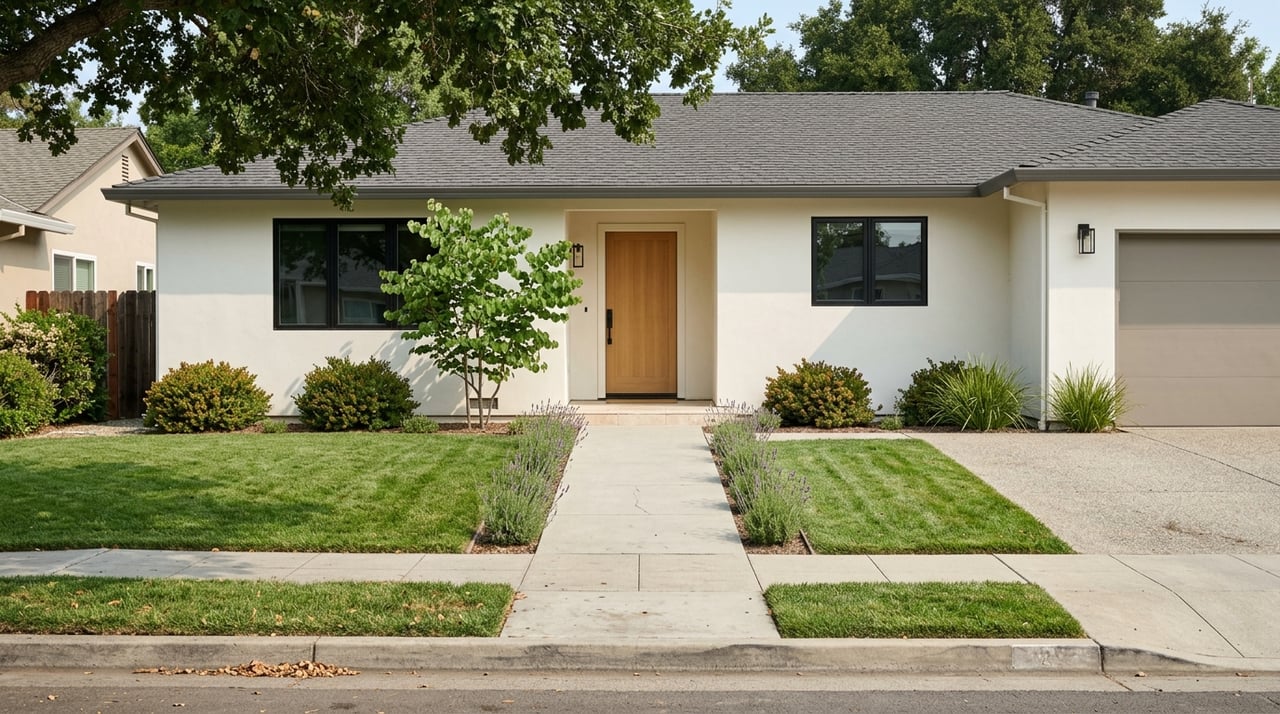
Great photos and light staging can lift your result, especially in spring. Many sellers focus on curb appeal, decluttering, fresh paint in neutral tones, and staging key rooms like the living area, kitchen, and the primary bedroom. Staging packages vary in price, and agents often see a measurable return when competition is active (staging cost and ROI insights).
Plan pricing and launch
Go to market with a price that aligns to recent comps and your timeline. If your aim is multiple offers, pricing at or just below the center of value can draw early attention. Set your first-week plan in advance, including showing schedules and how you’ll handle offer deadlines.
Understanding your net proceeds
When you map out your move, start with a net sheet. Typical seller costs include a negotiable agent commission, title and escrow fees, prorated taxes, any transfer taxes, prep and staging expenses, possible credits, and mortgage payoff. For planning, many sellers use a rough 6 to 10 percent range of the sale price to cover total costs, then refine with a custom estimate from your agent and escrow team (seller cost breakdown).
Moving within California? Know Prop 19
If you are 55 or older, severely disabled, or a qualified disaster victim, California’s Proposition 19 may let you transfer your assessed property tax base to a replacement home, subject to specific rules. This can make downsizing or relocating within the state more affordable. Review eligibility, timing, and forms with the county assessor before you buy your next home (Prop 19 guidance).
Also consider federal capital gains rules. Many homeowners can exclude part of their gain if they meet the ownership and use tests. Discuss your numbers with a tax professional before you list.
A simple decision checklist
- Request a local CMA and two net sheets: one tuned for spring demand and one priced for a faster sale.
- Assemble required disclosures. Order your Natural Hazard Disclosure and gather permits or repair receipts (California disclosure overview).
- If age 55 or older and moving in-state, confirm Prop 19 eligibility and filing steps with the county assessor (Prop 19 guidance).
- Prep the home: declutter, touch up paint, refresh landscaping, stage priority rooms, and book pro photography (staging cost and ROI insights).
- Choose a launch date that fits the spring window if possible. If timing is tight, price with precision and plan for short timelines.
Ready to weigh your options with a neighbor who knows Clayton block by block? Reach out to Kelly McDougall for a free local market consultation and home valuation. You’ll get a data-backed pricing lane, a polished Compass-powered marketing plan, and calm guidance from prep through closing.
FAQs
How strong is the seller’s market in Clayton right now?
- County metrics show about 3.6 months of inventory in January 2026, which tilts mildly toward sellers, while weekly mortgage rates near 6 percent are keeping more buyers active.
When is the best month to list a Clayton home?
- Early to mid spring typically brings more buyer traffic and faster sales, with late March through mid April often a strong window if your prep timeline allows.
What prep delivers the best ROI before selling in Clayton?
- Focus on curb appeal, decluttering, neutral interior paint, and staging the living area, kitchen, and primary bedroom for photos and showings.
What disclosures are required to sell a home in Clayton, California?
- Expect to provide the Transfer Disclosure Statement and a Natural Hazard Disclosure, plus any known permit or repair documentation to keep escrow smooth.
Can I transfer my property tax base if I downsize within Contra Costa County?
- If you qualify under Prop 19, you may transfer your assessed value to a replacement home in California, subject to rules and filing deadlines with the county assessor.