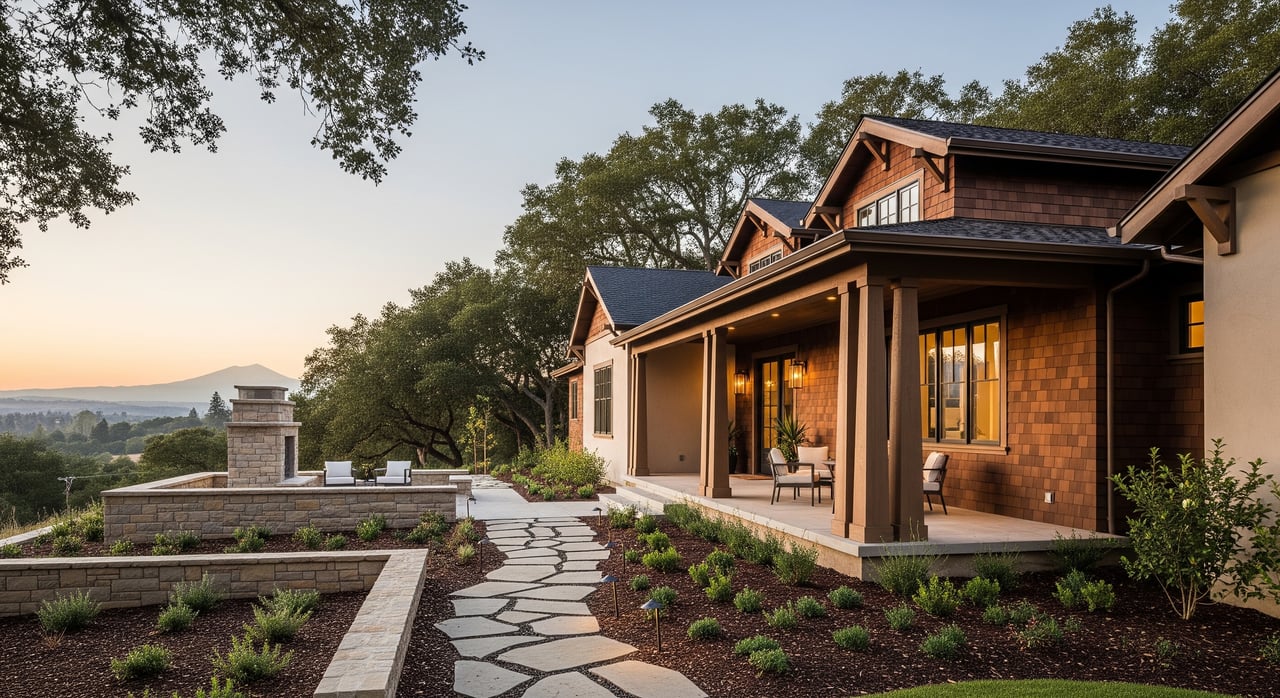
Dreaming of a quieter East Bay pace with trailheads, friendly faces, and room to breathe? If you are weighing a move, Clayton offers a small-town setting with easy access to big-city jobs and mountain views that reset your day. You want a place that fits your family’s routines, budget, and goals without guesswork. This guide walks you through schools, parks, housing types, commutes, and everyday life so you can decide if Clayton is the right fit. Let’s dive in.
Why Clayton appeals to families
Clayton sits in central Contra Costa County along the Walnut Creek–Concord corridor. With roughly 11,000 residents and a compact main street, it feels like a true small town inside the larger East Bay. Most neighborhoods are low to medium density, with a strong emphasis on open space and views of Mount Diablo.
You will notice the community rhythm right away. Seasonal parades, park concerts, and small downtown gatherings make it easy to meet people and plug in. Volunteer groups, a historical society, and library supporters add to the civic spirit. The commercial footprint is modest, which keeps the streets calm, while larger shopping and services are only a short drive away.
Schools and learning options
Most Clayton addresses feed into Mt. Diablo Unified School District. Boundaries can vary by street, and some families choose charter programs that serve the area. High school assignments also depend on the address and district policies.
School performance in the district varies campus by campus. For the most accurate picture, review current district resources and California Department of Education report cards, and verify attendance areas for any home you are considering. Several private and parochial options are nearby in Walnut Creek, Lafayette, and Concord, which widens your choices within a short drive.
Practical planning tips:
- Confirm attendance boundaries for target addresses before you tour.
- Ask about open enrollment or transfer policies if you are comparing programs.
- Map school and activity routes during pick-up hours to test timing.
Parks and outdoor life
If weekend hikes and after-dinner walks top your list, Clayton delivers. You are at the doorstep of Mount Diablo’s extensive trail network for hiking, biking, and scenic drives. Local open-space preserves and town trails give you everyday access to dog walking, stroller loops, and quick nature breaks.
Within town, Clayton Community Park and several neighborhood parks offer playgrounds, sports fields, and picnic areas. Families often gather for seasonal concerts, holiday parades, and farmers’ market days. It is easy to build routines around outdoor time without a long drive.
Daily conveniences and care
Downtown Clayton provides your day-to-day essentials, from restaurants and cafes to boutique services. For big-box retail, specialty groceries, and major errands, you will likely head to Walnut Creek or Concord. Many residents appreciate the balance: a quieter home base with larger amenities close by.
Healthcare access is straightforward. Regional hospital and clinic networks, including John Muir Health and Kaiser Permanente, operate nearby in surrounding cities. If you need pediatric or specialty care, you can typically reach it within a short drive.
Childcare and enrichment programs exist in town and through regional providers. Capacity can fluctuate by season, so it helps to join waitlists early and consider options in neighboring cities.
Housing and neighborhood types
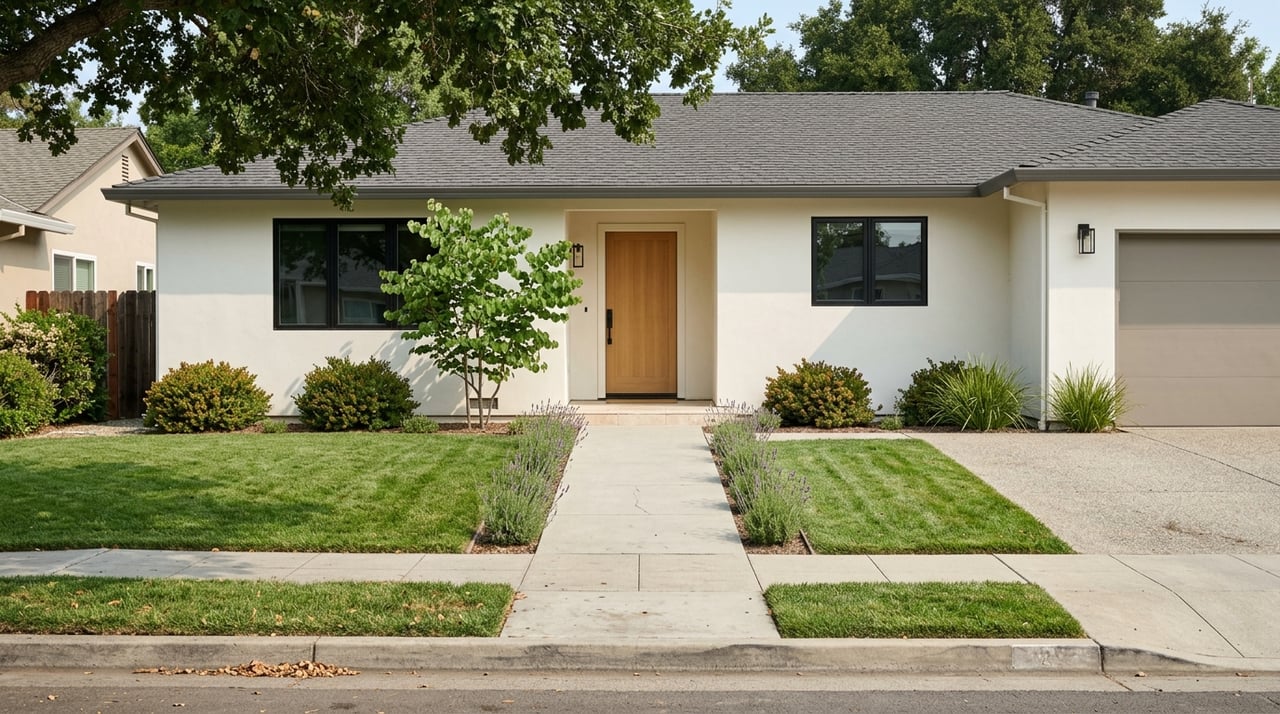
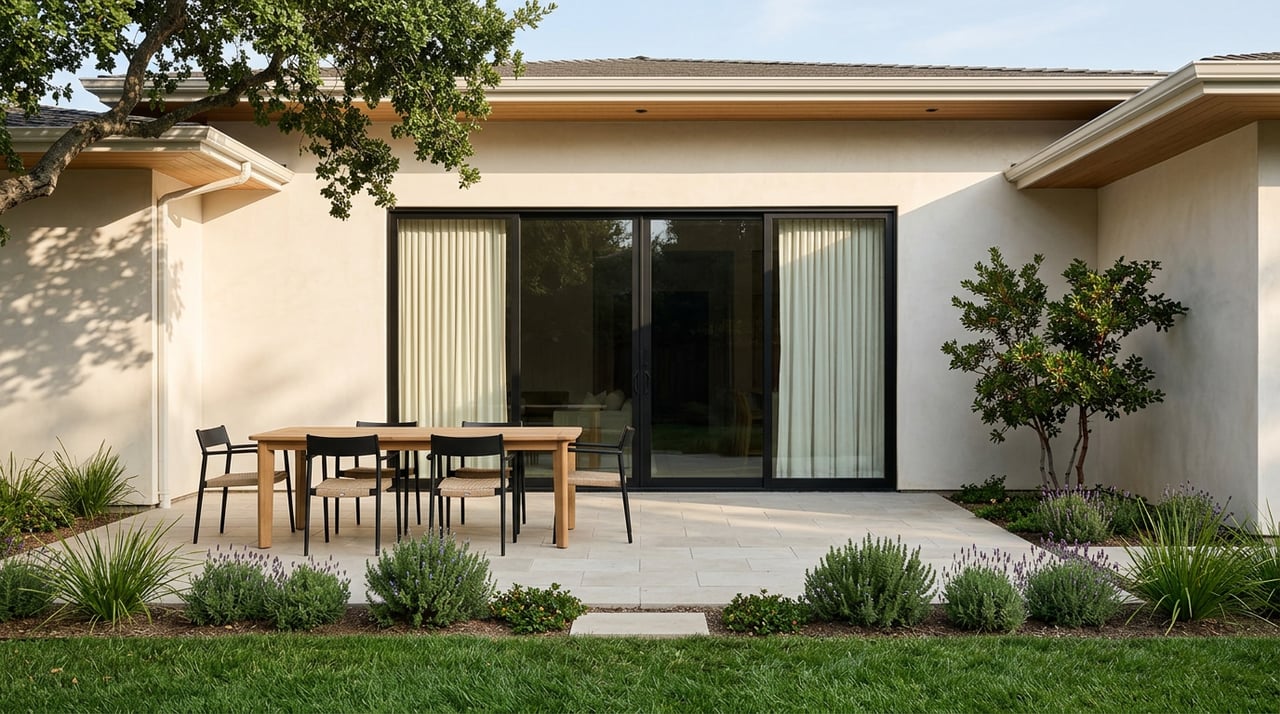
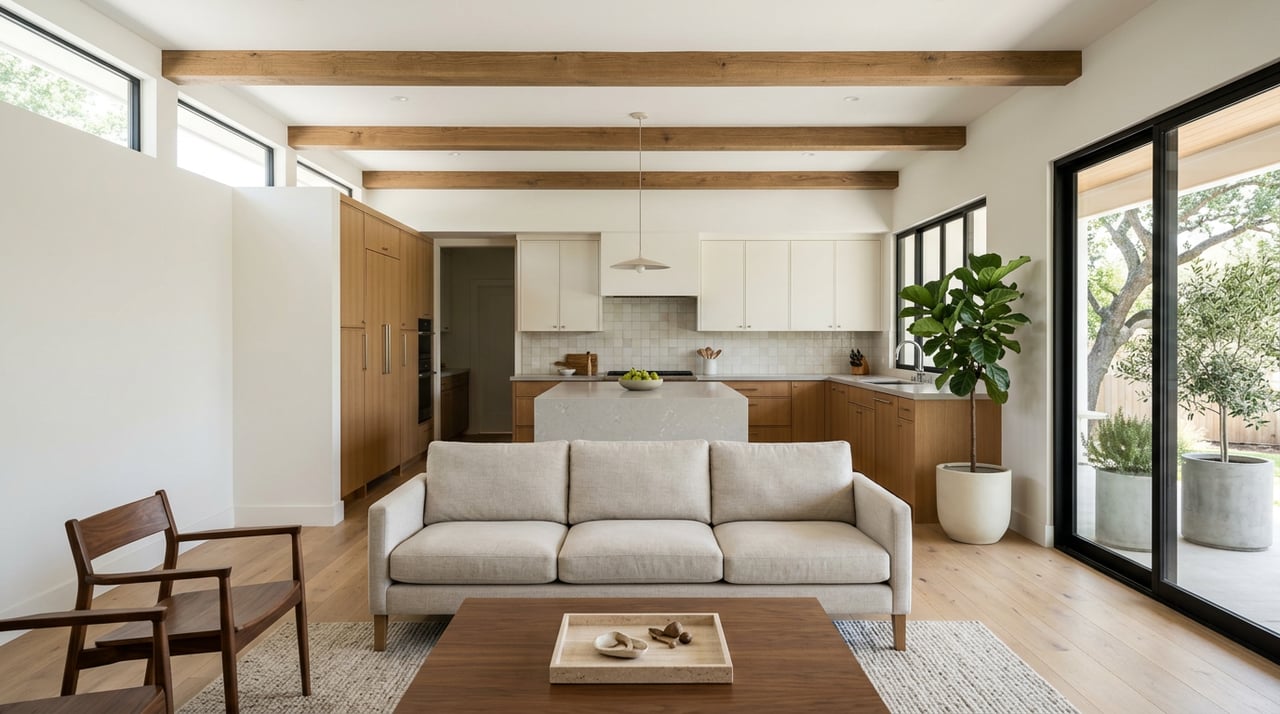
Clayton’s housing stock is predominantly single-family detached homes. Many are ranch, split-level, or contemporary suburban styles built from the 1960s through the 1990s. Yards and lot sizes tend to be larger than what you find in denser inner-Bay neighborhoods, which is a draw for families who want outdoor space.
You will find a smaller selection of townhomes and condominiums, though multifamily options are limited compared with bigger East Bay cities. Some neighborhoods include homeowners’ associations with modest dues, while many streets are not part of an HOA. Always confirm HOA presence, rules, and fees for a specific address.
Ownership costs follow California norms. Property taxes are set under Prop 13 base-year rules, with additional parcel assessments varying by neighborhood or district. Insurance planning deserves a close look as well. Regional wildfire considerations near the Diablo Range and the Bay Area’s seismic profile can influence coverage and premiums. For any home, review defensible space, parcel-level risk, and current underwriting conditions during your inspection period.
What homes cost
Prices in Clayton reflect Bay Area demand along with the town’s low-density character. Compared with inland Central Valley markets, you can expect higher pricing. Relative to some inner East Bay enclaves like Lafayette or Orinda, Clayton often provides more space for the price. Inventory tends to be tight because the town is small and family demand is steady.
If you are active in the market, track the latest median sale prices, days on market, and comparable sales through current MLS data at the time you shop. This gives you real-time context for offers and negotiations.
Commute and getting around
Most residents drive for work, school, and activities. Local arterials connect you to the I-680 corridor for north–south travel through central Contra Costa. Commute times to Walnut Creek, Concord, Pleasant Hill, and San Ramon are typically manageable outside peak congestion, while drives to Oakland and San Francisco vary more by route and time of day.
Clayton does not have a BART station within town. The closest stations are in Concord, Pleasant Hill/Contra Costa Centre, and Walnut Creek. Many commuters drive to these stations or use County Connection bus routes for transfers. If you are a transit-first commuter, plan for longer door-to-door times than a direct drive and review schedules to see if the connections work for your routine.
Smart commute testing:
- Drive your likely route during peak hours on a weekday.
- Time school and childcare loops before you commit to a location.
- Try a BART commute from a nearby station to gauge parking and transfer times.
Safety, services, and planning
Fire protection and emergency response are managed through regional providers serving Clayton and surrounding communities. Because the area borders open space, wildfire readiness is an important consideration. Review evacuation routes and defensible space for any property you evaluate.
Law enforcement is handled locally with coordination at the county level. The town’s general plan emphasizes preserving small-town scale. This influences how new housing and commercial projects are considered, which helps keep the community feel consistent over time.
Is Clayton right for you?
Clayton fits families who value a quieter neighborhood rhythm, outdoor access, and predominantly single-family living. The trade-offs are fewer in-town retail options than larger suburbs and variable commute times depending on your job location. If you want parks and trailheads close by and are comfortable driving to larger shopping hubs, Clayton is well worth a look.
Here is a simple checklist to guide your decision:
- Visit at different times. Try a weekday morning and a weekend afternoon to feel traffic, school pick-ups, and downtown energy.
- Confirm schools early. Verify district boundaries and any charter or transfer options for each address.
- Test your commute. Drive to work, school, and activities at the hours you would travel.
- Review property risks. Check parcel-level wildfire and flood exposure, insurance options, and any HOA or special assessments.
- Scan community calendars. Look at parks and recreation programs and library events to see how they fit your family routine.
If you want hyper-local insight on streets, school boundary nuances, and upcoming listings, work with a neighborhood-first agent who lives and works in the community. That guidance can save you time, stress, and missed opportunities in a tight-inventory town.
Ready to explore homes or confirm your pricing strategy as a seller? Request a free local market consultation and home valuation with Kelly McDougall, a veteran Clayton Realtor offering a personalized, full-service approach backed by Compass marketing.
FAQs
What is day-to-day life like for families living in Clayton, CA?
- Expect a small-town pace with neighborhood parks, community events, and quick access to larger shopping and services in nearby Walnut Creek and Concord.
Which public schools serve Clayton, and how should I plan?
- Most addresses are within Mt. Diablo Unified; verify the exact school assignment for any home and review current district resources and state report cards.
How do commutes from Clayton to BART and major job centers work?
- Most residents drive; nearest BART stations are in Concord, Pleasant Hill/Contra Costa Centre, and Walnut Creek, with County Connection buses providing links.
What types of homes are common in Clayton neighborhoods?
- Predominantly single-family homes from the 1960s–1990s on moderate-to-large lots, with a smaller selection of townhomes and condos.
Are there wildfire or earthquake insurance considerations in Clayton?
- Yes. Proximity to open space and regional seismic risk can affect coverage and cost, so review parcel-level risks, defensible space, and current underwriting.
Do most Clayton neighborhoods have HOA fees?
- Many do not, though some developments include HOAs with varying dues and rules; confirm details for each property during due diligence.
Where do Clayton residents go for shopping and healthcare?
- Daily needs are met in downtown Clayton, while bigger retail and major medical centers are nearby in Walnut Creek and Concord, including regional hospital networks.