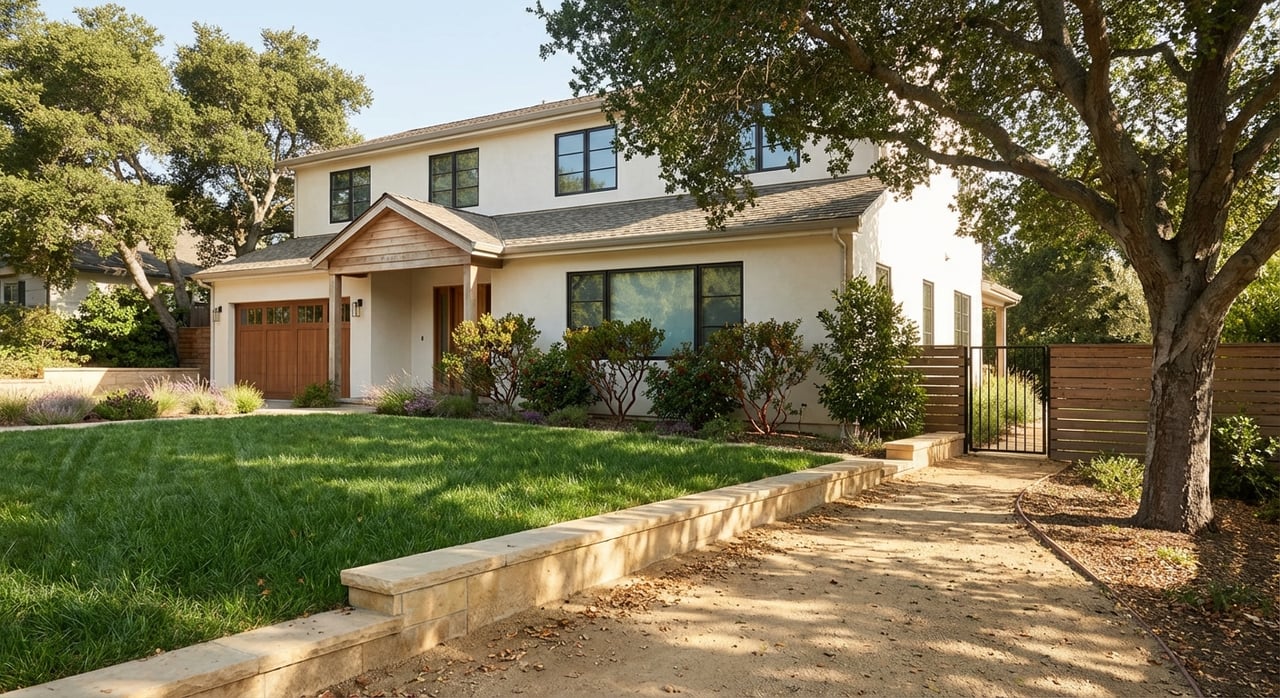
Looking for a small-town downtown feel with East Bay convenience? Danville delivers that blend of walkable charm, regional trails, and established neighborhoods many families want. You also need clear answers on schools, commute patterns, and what the housing market looks like right now. In this guide, you’ll get a grounded overview of Danville’s neighborhoods, school landscape, commute options, and everyday lifestyle so you can decide whether it fits your next move. Let’s dive in.
Danville at a glance
Danville centers around a compact, walkable core known as “The Village,” with dining, boutiques, weekend events, and the farmers market along and near Hartz Avenue. The town’s calendar of civic programs and seasonal gatherings adds to the everyday rhythm of life downtown. You can scan the town’s latest updates and events on the Danville civic notices and alerts page.
Population-wise, Danville is a built-out East Bay community with a resident count in the low to mid 43,000s based on U.S. Census place estimates. You can review local population and commute statistics on Census QuickFacts for Danville.
On housing, Danville is a high-price, low-inventory market for the region. As of February 11, 2026, Altos Research reported a median list price around $2,024,999, which illustrates the multi-million-dollar pricing that is typical for many single-family homes here. You can review the current snapshot on the Altos Research market page.
Neighborhoods and housing
Below is a plain-language overview of Danville’s most-referenced neighborhood clusters. Boundaries are informal, and names can overlap, so always verify exact streets and any jurisdiction differences during your search.
Downtown and “The Village”
This is the walkable heart of Danville centered on Hartz Avenue and nearby streets. You’ll find restaurants, small galleries, the Village Theatre, and the Saturday farmers market within a few blocks. Housing here ranges from small pockets of condos and townhomes near shops to older single-family homes on surrounding streets. You choose this area if you want quick access to errands, coffee, and community events without long local drives.
What to weigh:
- Convenience and walkability are the draw.
- Detached homes can be older and vary in lot size and style.
- Condos and townhomes offer lower price entry than large-lot single-family homes, but still reflect Danville’s premium market.
Westside and Old-town streets
West of Hartz Avenue and near cross-streets like Diablo Road and Love Lane, you’ll see mature trees, traditional architecture, and short local drives to parks and schools. Buyers who love a classic village feel often focus here.
What to weigh:
- Proximity to downtown is a key premium.
- Housing includes renovated older homes and character properties.
- Inventory can be limited, and competition can be strong when a well-presented home lists.
Family-focused subdivisions
Neighborhoods like Greenbrook, Sycamore Valley, and Creekside are known for wider streets, neighborhood parks, and, in some cases, HOA amenities such as community pools and clubhouses. Homes are mostly single-family detached properties built from the 1960s through the 1990s, with a variety of floor plans and lot sizes.
What to weigh:
- Many areas offer larger yards and community facilities.
- Homes can be updated or original; plan for due diligence on systems and remodeling scope.
- These areas are popular with move-up buyers who want space and convenient everyday living.
Diablo, Mount Diablo foothills, and the Alamo border
On the town’s eastern side and along the foothills, you’ll find larger properties, views, and a more private, semi-rural feel. Some shoppers also consider nearby estate communities and unincorporated areas just outside town limits. You come here if you value land, setting, and privacy over short local drives.
What to weigh:
- Hill settings can mean longer drives to shops or BART.
- Acreage and views command premium pricing.
- Always review local fire-mitigation requirements, insurance, and access routes.
Newer master-planned pockets
Areas along Tassajara and other newer tracts offer planned open spaces, sidewalks, and more recent construction. Many homes are turnkey and may be served by newer school facilities nearby. HOAs are common and often maintain shared amenities.
What to weigh:
- Move-in-ready condition is the appeal.
- HOA fees and guidelines vary; review budgets and reserves.
- These pockets suit buyers seeking contemporary layouts with less immediate renovation.
Schools and enrollment
Danville is primarily served by the San Ramon Valley Unified School District (SRVUSD), a large, well-resourced unified district that includes Danville, Alamo, Diablo, and San Ramon. You can read district overview details and contact information on the SRVUSD district page.
Two comprehensive public high schools typically serve Danville addresses: Monte Vista High School and San Ramon Valley High School. For program and contact information, start with each school’s page, such as Monte Vista High School’s site. Private and independent options also exist in and around town; the town’s directory provides a starting list on the Danville schools page. For tuition and curriculum specifics, contact each school directly.
Before you make decisions based on a school name, take these steps:
- Confirm the current attendance boundary for your exact address using SRVUSD’s resources. Boundaries can change and exceptions apply.
- Review recent academic and program information directly from the district or school site.
- Ask your agent to coordinate school tours or information sessions during your visit window.
Commute and transportation
Most Danville drivers use I-680 for north-south travel, connecting to Walnut Creek, Concord, Pleasant Hill, and to I-580 for Tri-Valley routes. Peak-hour congestion is common in both directions, especially during school and work commute windows. The U.S. Census shows a mean travel time to work in the low 30 minutes for Danville residents, which provides a useful baseline for comparison with nearby cities. See general commute data in Census QuickFacts.
There is no in-town BART station. Most residents who use rail drive or shuttle to Walnut Creek BART to the northwest or Dublin/Pleasanton BART to the southeast. For station parking, accessibility, and current service notices, check BART’s official updates, such as the Walnut Creek station operations page, before you go.
If you prefer to keep some trips car-light, the Iron Horse Regional Trail runs through Danville and links several communities and transit nodes. It is a popular route for local bike rides, jogging, and some short commute trips. Learn more about the trail’s reach on the East Bay Regional Park District Iron Horse page.
Practical tips as you plan:
- Test-drive your commute during both peak and off-peak hours the same week you tour homes.
- If you plan to use BART, check station parking options, early-morning availability, and back-up plans.
- For school drop-off logistics, factor in neighborhood traffic patterns and I-680 on-ramps.
Everyday lifestyle and outdoor access
You can fill most weekends without leaving town. The Village Theatre, small galleries, and the weekly farmers market give Danville a relaxed, civic feel that many households enjoy. Seasonal town programming keeps the downtown core active. Start with the town’s current events and civic update page.
For the outdoors, you have a strong network of trails and open spaces. The Iron Horse Trail is ideal for family rides and stroller-friendly walks. Las Trampas and Mount Diablo are short drives for longer hikes, views, and nature days. Many buyers cite this easy access to trails as a top lifestyle benefit.
On practical tradeoffs, remember that Danville’s hillside and brushland setting brings wildfire preparedness into the conversation. If you are considering a foothill or estate property, budget time to review insurance options, local defensible-space rules, and evacuation routes.
Is Danville right for you?
Choose Danville if you want a small, walkable downtown, established neighborhoods, and quick access to trails and regional open space. Expect higher housing costs than many surrounding areas and plan your commute with I-680 in mind. If rail access matters, remember that you will drive or shuttle to BART.
If you are exploring Danville from Walnut Creek, Concord, Oakland, or San Francisco, the best next step is to tour a mix of neighborhoods on the same day. Compare the downtown streets to subdivision living and a foothill setting. Then balance the feel you prefer with your school and commute needs.
Ready to narrow your search or time a sale and purchase? Connect with Kelly McDougall for neighborhood-by-neighborhood guidance, school verification steps, and a clear plan. Request a free local market consultation and home valuation.
FAQs
What is the current Danville market like in early 2026?
- As of February 11, 2026, Altos Research shows a median list price near $2,024,999, reflecting Danville’s premium single-family market; inventory is limited and well-priced homes attract attention. Review the latest snapshot on the Altos market page.
Which Danville areas feel most walkable day-to-day?
- Downtown and the nearby Westside streets around Hartz Avenue provide the highest everyday walkability, with quick access to shops, dining, and town events within a compact core.
How do public schools work in Danville, and how do I confirm my assignment?
- Danville is served by the San Ramon Valley Unified School District; check your exact address with SRVUSD before you buy and review program details on the SRVUSD district page.
What are my public transit options to San Francisco or Oakland from Danville?
- You will typically drive or take a shuttle to BART at Walnut Creek or Dublin/Pleasanton; check BART’s current operations and station notices for parking, accessibility, and schedule details.
Is there a safe bike and pedestrian route across town?
- The Iron Horse Regional Trail runs through Danville and connects multiple communities and transit nodes; see the trail overview for maps and access points.